 Oris
Oris Throughout history, the concepts of good and evil have been at the forefront of human thought, shaping cultures, religions, and even personal morals. The battle between angels and sinners symbolizes this duality, reflecting the eternal struggle within every individual. This exploration delves into the intricacies of good and evil, analyzing how they manifest in both divine and human actions, and how they influence the broader narrative of existence.
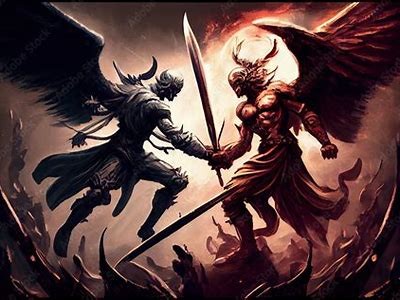
Good and evil are not merely black and white; they exist on a spectrum. Philosophers have debated these concepts for centuries, questioning what it truly means to be good or evil. This duality raises essential questions: Are humans inherently good? Can evil be justified? Do angels represent a higher moral ground? The answers to these questions often lie within individual perspective and societal norms, which change over time and across cultures.
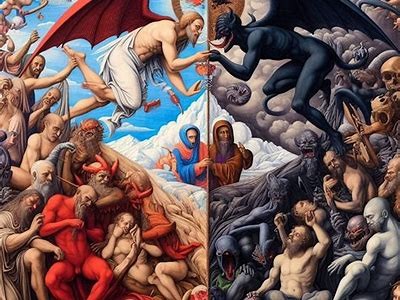
The struggle between good and evil is not a modern phenomenon. Ancient texts, such as those from religious traditions like Christianity, Buddhism, and Zoroastrianism, depict various incarnations of this battle. In Christianity, angels are seen as messengers of God, embodying purity and righteousness, while sinners often find themselves engulfed in darkness and despair. This narrative has informed countless stories, influencing literature, film, and art. The stories of heroes facing off against dark forces are universal and resonate deeply with audiences, reflecting their own internal conflicts.
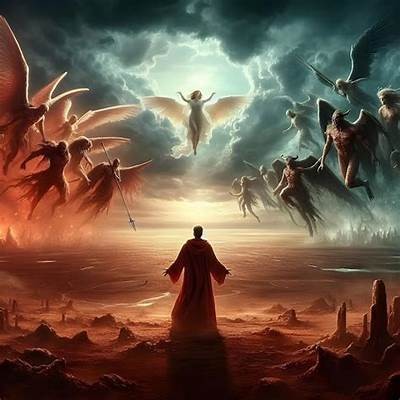
Angels are often depicted as guardians, protectors of humanity, and messengers of a higher divine plan. They symbolize hope, guidance, and the ultimate good. Their presence in various scriptures serves to highlight the potential for goodness within humanity. Yet, the concept of free will complicates this narrative: humans have the ability to choose between right and wrong. This choice is where the conflict truly lies, as it reflects the inner battle one must face when confronted with temptation, moral dilemmas, and the yearning for redemption.
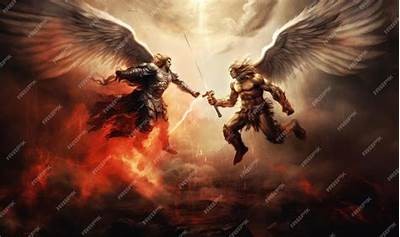
Contrarily, sinners embody the fallibility of human nature. They represent the struggles, flaws, and desires that lead individuals away from the path of righteousness. Sin, in various religious contexts, often stems from human weaknesses. Greed, jealousy, lust, and anger are common themes. Literature has portrayed sinners as tragic figures, drawing readers into their complex motivations and the consequences of their actions. This portrayal humanizes them, emphasizing that darkness can be found within even the most seemingly virtuous individuals.
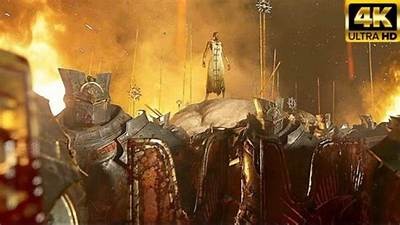
The battle between angels and sinners is a recurring theme in literature and art. From Dante’s "Divine Comedy" to Milton’s "Paradise Lost," authors have explored this conflict by contrasting heavenly realms with the depths of human depravity. Artists have captured these themes through various mediums, showcasing the tension between purity and corruption. This dichotomy serves not only to tell a story but also to evoke emotional responses and provoke deep reflection on one's own moral standing. Modern Interpretations of Good and Evil
In contemporary society, the battle between good and evil continues to evolve. Modern interpretations often challenge traditional views, presenting complex characters that defy the norms of the angel-sinner dichotomy. Anti-heroes are celebrated, and the motivations behind their actions are scrutinized. This shift reflects a growing understanding of morality as a nuanced concept influenced by societal context, personal experience, and psychological factors. The idea that everyone possesses both angelic and sinful traits has become a prevalent perspective in discussing human behavior. The Pursuit of Redemption
The journey towards redemption is a significant aspect of the struggle between angels and sinners. Many narratives explore the possibility of forgiveness and the transformation of character. Redemption arcs are compelling because they showcase the potential for change and the power of choice. Characters who once succumbed to sin often find themselves seeking redemption, which leads to a deeper understanding of their own humanity. This quest resonates with audiences who grapple with their own flaws and aspirations. The Symbolism of Light and Darkness
Light and darkness are powerful symbols in the battle between good and evil. Angels are often associated with light, representing purity, knowledge, and divinity. In contrast, darkness symbolizes ignorance, fear, and evil. This representation is not just a visual element but also a metaphor for the emotional and spiritual struggles individuals face. The interplay of light and darkness in narratives enhances the complexity of characters and situations, illustrating the choices that define one's moral compass. The Impact of Cultural Narratives
Across cultures, narratives about good and evil shape societal values and the collective understanding of morality. Myths, folklore, and religious stories impart lessons about the consequences of moral actions, instilling a sense of right and wrong in communities. These stories often serve as cautionary tales, reinforcing the belief in justice and the eventual triumph of good over evil. As cultures evolve, so do their narratives, often reflecting contemporary issues and anxieties about morality. The Personal Struggle: Good and Evil Within
The battle between angels and sinners is not just external; it is an internal struggle that each person faces. Every individual grapples with their conscience, navigating the complexities of right and wrong. The concept of inner demons—those aspects of oneself that tempt or lead one astray—is prevalent in psychological discussions. Understanding this inner conflict is crucial for personal growth and self-awareness, as it prompts individuals to confront their motivations, desires, and the consequences of their actions. Conclusion
The duality of good and evil, exemplified by the battle between angels and sinners, remains a central theme in human existence. This exploration reveals that good and evil are not fixed states, but rather dynamic, interconnected forces that shape our lives, societies, and stories. Embracing this complexity allows individuals to navigate their own moral landscapes, fostering empathy and understanding toward themselves and others. As we continue to explore these themes through literature, art, and personal reflection, we come closer to unraveling the intricate tapestry of human morality.