 Oris
Oris Discover the Ultimate Guide to Catching Any of Big Bass in Freshwater Lakes and Rivers
Introduction to Bass Fishing
Bass fishing is one of the most popular recreational activities enjoyed by anglers worldwide. Whether you're fishing in freshwater lakes or rivers, targeting big bass can bring excitement and challenge to your fishing experience. This guide aims to provide comprehensive information, tips, and techniques to help you catch any big bass you desire. From understanding bass behavior to selecting the right gear and lures, this ultimate guide covers everything you need to know to become a successful bass angler.
Understanding Bass Species and Their Habitats
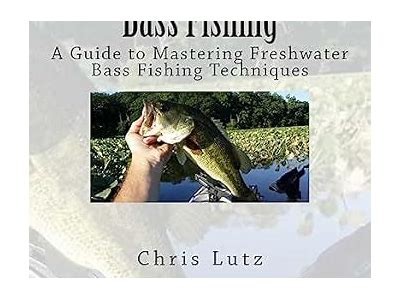
The term "bass" refers to several species, but the most commonly targeted in freshwater are the largemouth bass, smallmouth bass, and spotted bass. Each species has distinct habitat preferences and behaviors. Largemouth bass typically thrive in warmer, vegetated waters such as lakes and slow-moving rivers. Smallmouth bass favor cooler, clearer water with rocky substrates, often found in rivers and certain lakes. Spotted bass often inhabit areas similar to largemouths but prefer faster-moving water. Understanding the species you're targeting is essential for effectively finding and catching them.
Seasonal Behavior of Big Bass
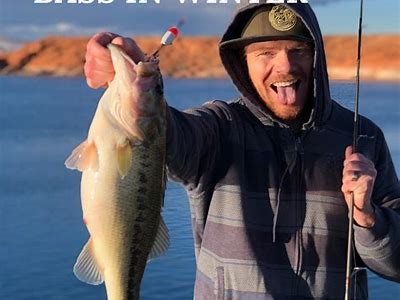
Bass behavior varies greatly throughout the year, influenced primarily by water temperature, spawning cycles, and prey availability. Spring is the spawning season when bass move into shallow waters to lay eggs, making them easier to locate but often more cautious. Summer bass often retreat to deeper, cooler waters, seeking cover near structures. In fall, bass focus on feeding aggressively to prepare for winter, offering some of the best fishing opportunities. Winter bass move to deeper areas and reduce their activity, requiring slower presentations and patience from anglers.

Essential Gear for Big Bass Fishing
Having the right gear can significantly influence your success rates. A medium-heavy rod paired with a quality spinning or baitcasting reel is versatile enough for various situations. Ensure your line strength matches your target bass size; typically, 12-20 lb test lines work well. Additionally, having a fish finder can aid in locating bass and understanding underwater structures. Essential accessories include a range of hooks, swivels, leaders, and a good tackle box to organize lures and tools.
Choosing the Best Baits and Lures
Big bass can be caught using a wide variety of baits and lures, but some prove more effective in freshwater lakes and rivers. Live bait such as shiners, crawfish, and worms often produce reliable results, providing natural movement and scent. Artificial lures include soft plastics, crankbaits, spinnerbaits, and topwater lures. Soft plastic worms and creature baits rigged Texas or Carolina style are favorites during many seasons. Crankbaits mimic baitfish and can cover water quickly, while spinnerbaits combine flash and vibration to attract bass. Topwater lures are exciting for surface strikes, especially during low light conditions.
Techniques for Different Water Conditions
The water condition plays a significant role in determining your approach. In clear water, bass can be more cautious, requiring natural colors and subtle presentations. In stained or murky water, using lures with more vibration and contrast can help bass locate your bait more easily. Slow retrieval techniques work well when bass are lethargic, while faster retrieves can trigger aggressive strikes during feeding times. It’s crucial to adjust your retrieval speed and lure types based on water clarity, temperature, and bass activity levels.
Reading the Water and Locating Big Bass
Understanding the structure of lakes and rivers helps you find hotspots where big bass tend to congregate. Look for areas with submerged vegetation, fallen trees, rocks, drop-offs, and other underwater structures. In rivers, focus on eddies, pools, and points where current slows down. Using tools like depth finders and GPS can help you map these structures more accurately. Observing water temperature changes, prey fish movements, and insect hatches can also help pinpoint locations where bass are feeding.
Mastering Fishing Techniques for Big Bass
Effective techniques vary depending on the bass habitat and season. Some common methods include jigging, flip-and-pitch, drop-shotting, and topwater fishing. Jigging near structures with a soft plastic bait can entice big bass hiding in cover. Flip-and-pitch techniques allow you to place baits precisely in heavy vegetation or tight spots. Drop-shot rigs are useful for deep water presentations, suspending baits just off the bottom to tempt bass without spooking them. Topwater fishing provides thrilling visual strikes when bass are feeding near the surface.
Tips for Successful Bass Fishing Trips
Preparation is key to a successful bass fishing trip. Check the weather and water conditions beforehand, and plan your fishing times around early morning or late afternoon when bass are more active. Use proper knot tying techniques to ensure your gear withstands bass strikes. Stay patient and observant, changing baits, techniques, and locations if the bass are not biting. Safety precautions, such as wearing life jackets and keeping a first-aid kit, are essential when fishing from boats or unfamiliar waters. Lastly, practicing catch and release contributes to sustainable bass fishing and healthy populations.
Conservation and Ethical Fishing Practices
Caring for bass habitats and populations ensures that future generations can enjoy this popular sport. Practice catch and release by handling fish gently and minimizing time out of water. Avoid fishing during critical spawning times or in protected areas. Properly dispose of fishing lines and trash to prevent environmental damage. Participate in or support local conservation efforts and stay informed about regulations specific to your fishing locations.
Conclusion
Catching big bass in freshwater lakes and rivers is a rewarding endeavor that requires knowledge, skill, and patience. By understanding bass species, seasonal behavior, and habitat, selecting the right gear and baits, and mastering effective fishing techniques, you can increase your chances of landing a trophy bass. Continuously learning and adapting your methods will make your fishing experience more enjoyable and successful. Remember to respect the natural environment and practice ethical fishing habits to preserve bass populations for years to come.