 Oris
Oris In today's fast-paced world, enhancing skills and acquiring new knowledge are essential for both personal and professional growth. Engaging demonstrations (demos) have emerged as a powerful tool to facilitate effective learning and development strategies. This article will explore the significance of engaging demos, their impact on learning retention, and practical approaches to implement them in various educational and corporate settings.

Engaging demos play a crucial role in the learning process. They not only captivate learners' attention but also make complex information more digestible. When learners can see concepts in action, they are more likely to understand and remember them. This section will delve into several reasons why engaging demos are vital for effective learning.
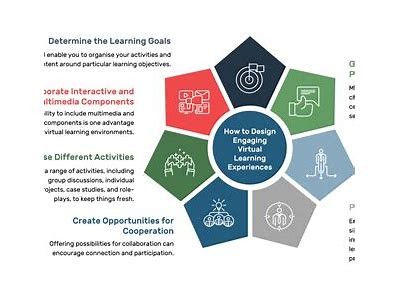
In traditional learning environments, passive methods such as lectures often fail to engage participants fully. In contrast, demonstrations invite active participation. When learners are involved—whether by asking questions, interacting with materials, or observing real-life applications—they are more likely to maintain interest and retain information.
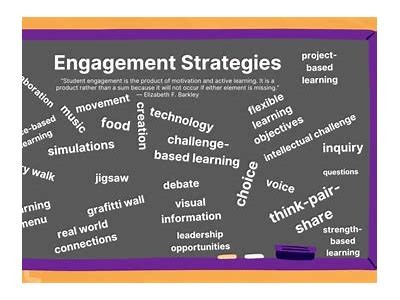
Studies suggest that learners retain more information when they engage with content actively. Demos provide a visual and practical representation of concepts, making them easier to remember. The combination of sight, sound, and motion increases cognitive engagement, leading to improved long-term retention of knowledge.
Every individual has a unique learning style—some may be visual learners, while others may excel through auditory or kinesthetic methods. Engaging demos appeal to various learning styles, allowing learners to absorb information in a manner that suits them best. This inclusivity enhances overall learning outcomes.

To harness the benefits of engaging demos, educators and trainers must adopt effective strategies. This section outlines key considerations and methods for implementing demos in learning and development settings. Planning and Preparation
Successful demos require thorough planning and preparation. Instructors should clearly define the objectives of the demo and what learners should take away from it. This involves selecting relevant topics and creating a structured outline that guides the demonstration. Additionally, instructors should ensure that all necessary materials and equipment are available and functioning. Creating Interactive Experiences
Incorporating interactivity into demos can significantly enhance learner engagement. This could involve allowing participants to perform tasks, ask questions, or share their insights during the demonstration. Interactive elements promote collaboration and foster a sense of ownership over the learning process. Utilizing Technology
Technology can elevate the effectiveness of demos. Tools such as video conferencing platforms, interactive whiteboards, and specialized software can facilitate virtual demos, reaching wider audiences. Additionally, utilizing multimedia resources like videos, animations, and simulations can enhance understanding and retention. Best Practices for Engaging Demos
While planning and preparation set the stage for successful demos, implementing best practices during execution is crucial. This section will highlight effective techniques for delivering engaging demonstrations. Storytelling Techniques
Storytelling is a powerful tool that can bring demos to life. By framing the demo around a narrative or real-world scenario, educators can create emotional connections to the material, making it more relatable and memorable. This approach encourages learners to engage with the content on a deeper level. Encouraging Peer Learning
Peer learning opportunities can enhance the effectiveness of demos. Encouraging learners to work in groups during demonstrations fosters collaboration and allows them to share diverse perspectives. This not only enhances the learning experience but also builds teamwork skills that are essential in professional environments. Providing Opportunities for Reflection
Reflection is an important component of the learning process. After a demo, it is beneficial to provide participants with time to reflect on what they learned. This could involve discussing key takeaways, addressing questions, or even writing in a learning journal. Reflection helps solidify knowledge and encourages critical thinking. Measuring the Effectiveness of Demos
To continually improve the quality of engaging demos, it is essential to measure their effectiveness. This section will explore methods for assessing learner outcomes and gathering feedback. Collecting Feedback
Feedback from participants can provide valuable insights into the effectiveness of a demo. Instructors should encourage open communication and invite learners to share their thoughts on what worked well and what could be improved. Surveys, polls, and informal discussions can all be effective in gathering feedback. Assessing Knowledge Retention
Assessing knowledge retention is vital to understanding the impact of demos. Instructors can employ quizzes or practical assessments to evaluate how well learners grasped the concepts presented. This data can inform future demo planning and highlight areas for improvement. Continuous Improvement
Based on feedback and assessment results, educators should continuously refine their demonstration strategies. This commitment to improvement ensures that demos remain relevant, engaging, and effective as learning tools. Case Studies of Engaging Demos in Action
To provide concrete examples of how engaging demos can enhance learning, this section will present several case studies from various industries, demonstrating successful implementation of effective learning and development strategies. Case Study 1: Corporate Training
In a corporate setting, a major company implemented engaging demos as part of their onboarding process for new employees. By using interactive simulations of real-world scenarios, new hires could practice skills in a safe environment before applying them on the job. Feedback indicated that employees felt better prepared and more confident after participating in these demos. Case Study 2: Educational Institutions
A university adopted engaging demos in their STEM programs, utilizing robotics and programming tools. Each week, faculty members introduced real-life challenges that students had to solve using the concepts learned in class. This hands-on approach not only improved understanding but also fostered a strong sense of community among students. Case Study 3: Healthcare Training
In the healthcare sector, training programs began utilizing engaging demos for teaching clinical skills. By incorporating role-playing scenarios and video demonstrations, healthcare professionals could practice their skills in simulated environments. The success of this initiative was reflected in improved performance during actual patient interactions. Conclusion
Engaging demos are an invaluable component of effective learning and development strategies. By enhancing engagement, boosting retention, and catering to diverse learning styles, they create a dynamic and interactive learning environment. Through careful planning, innovative techniques, and continuous improvement, educators and trainers can harness the power of demos to facilitate deeper understanding and lasting skill development. As the landscape of education continues to evolve, embracing engaging demonstrations will be essential in meeting the challenges of the future.