 Oris
Oris The Electric Supply Chain (ESC) market is undergoing significant transformation due to technological advancements, regulatory changes, and shifts in consumer preferences. In this comprehensive analysis, we explore the current trends, challenges, opportunities, and future developments within the ESC market. Our objective is to provide stakeholders with a clear understanding of the dynamics influencing this sector and to predict future trends based on current data and analyses.
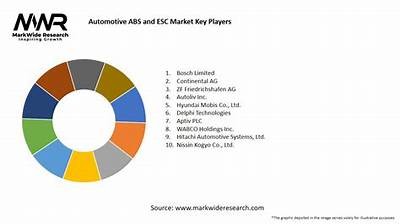
One of the most notable trends affecting the ESC market is the increasing adoption of renewable energy sources. Governments and organizations worldwide are recognizing the importance of sustainability and are investing heavily in solar, wind, and other renewable technologies. This shift is not only aimed at reducing carbon footprints but also at achieving energy independence.
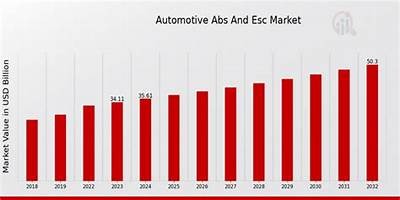
Another critical trend is the digital transformation of supply chains, which includes the use of advanced analytics, artificial intelligence (AI), and the Internet of Things (IoT). These technologies facilitate improved decision-making, inventory management, and operational efficiency, providing companies with a competitive edge.
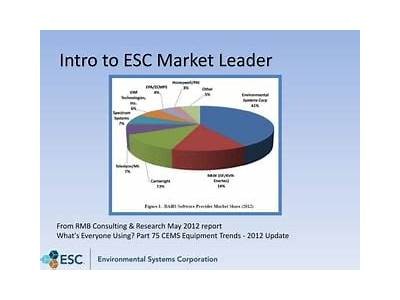
With the rise of environmental awareness, regulatory frameworks are evolving. Governments are implementing stricter regulations regarding emissions and sustainability. As a result, companies in the ESC market must adapt to these changes to remain compliant and avoid penalties.
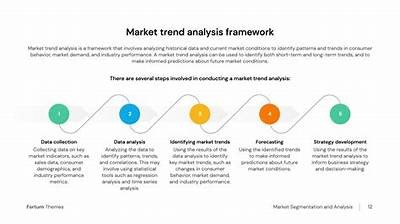
While the ESC market is growing, it is not without challenges. Supply chain disruptions, often exacerbated by geopolitical tensions and pandemics, pose significant risks. These disruptions can lead to delays, increased costs, and reduced service levels, impacting overall business performance.

The ESC market has become increasingly competitive, with numerous players vying for market share. This saturation can result in price wars and reduced margins. Companies must innovate and differentiate themselves to maintain profitability. Technological Integration
Integrating new technologies into existing systems is often a daunting task. Companies may face resistance from employees, high implementation costs, and the challenge of ensuring compatibility with legacy systems, which can slow down the adoption of necessary advancements. Opportunities for Growth Investment in Smart Grid Technologies
The transition toward smart grids presents significant opportunities for companies in the ESC market. Smart grids enhance the reliability and efficiency of electricity distribution, allowing for better integration of renewable energy sources and smarter energy management. Expansion into Emerging Markets
Emerging markets present untapped opportunities for growth. As developing countries invest in infrastructure and renewable energy, companies in the ESC market can expand their operations and offerings to meet the increasing demand for energy solutions. Collaborations and Partnerships
Collaborations between companies, governments, and research institutions can pave the way for innovation. By pooling resources, expertise, and knowledge, stakeholders can tackle common challenges and drive advancements in technology and sustainability. Future Predictions Increased Focus on Sustainability
As consumers and businesses alike prioritize sustainability, the ESC market will likely see an even greater emphasis on green practices. Companies that invest in sustainable technologies and processes will have a competitive advantage as customer preferences continue to evolve. Rise of Artificial Intelligence and Automation
The rise of AI and automation technologies will reshape the ESC landscape. These technologies will optimize operations, reduce costs, and enhance customer experience, allowing companies to respond more agilely to market changes. Enhanced Regulatory Frameworks
As environmental concerns become more pressing, we can expect enhanced regulatory frameworks related to sustainability and energy consumption. Companies that stay ahead of these regulations will be better positioned for success. Conclusion
The ESC market is on a path of significant growth and transformation, driven by technological advancements, regulatory shifts, and changing consumer demands. While challenges exist, the opportunities for innovation and expansion are plentiful. Stakeholders within this market will need to stay informed and agile to navigate the evolving landscape successfully. Related Tags